


Introduction
Hard landscaping is a foundational element in the evolution of outdoor spaces, providing structure, durability, and aesthetic appeal. It involves various materials and features that transform gardens, parks, and courtyards from mere patches of land into functional outdoor environments.
Understanding Hard Landscaping
Hard landscaping encompasses the permanent, non-plant elements of gardens or outdoor spaces. This includes everything from patios and pathways to retaining walls and outdoor structures. The true essence of hard landscaping lies in its ability to define spaces, create functional areas, and support the overall design of a landscape.

Components of Hard Landscaping
Hard landscaping can be broken down into various components that serve essential aesthetic and functional roles:
Patios
Patios are flat surfaces, typically made from stone, tiles, or concrete, designed for outdoor living and leisure. They provide a stable foundation where families can gather, dine, or enjoy recreational activities.
Driveways
The entrance to your property sets the tone for your home. Driveways come in various styles and materials, each contributing to curb appeal and usability.
Garden Pathways
Pathways guide visitors through gardens and offer access to different features. They can vary in width and material, often enhancing the overall experience of navigating the landscape.
Retaining Walls
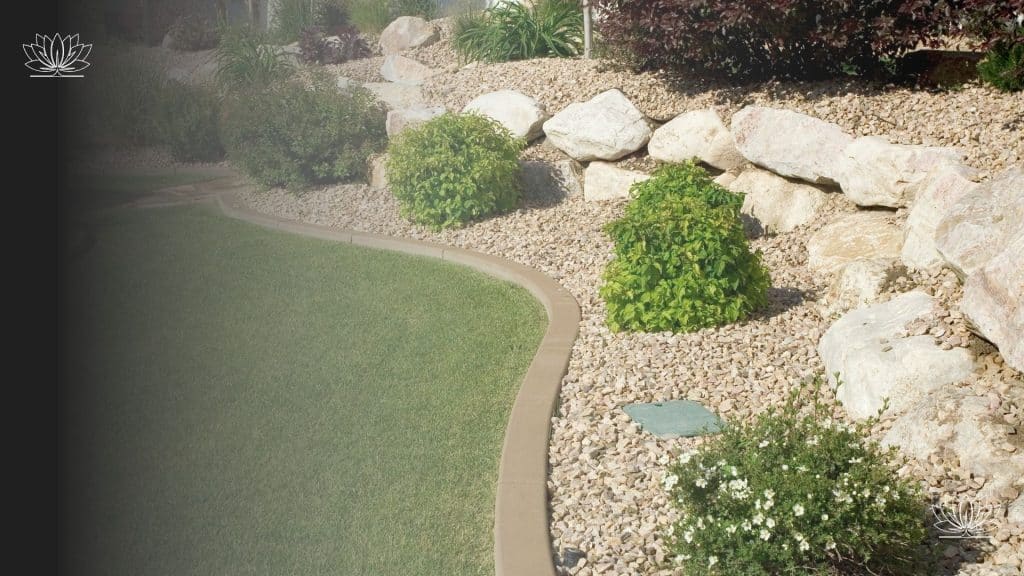
These structures support soil and help manage elevation changes in a garden. Retaining walls are both functional and visually striking, adding layers and depth to the landscape.
Steps and Stairs
Steps are essential for traversing uneven terrain, facilitating access to different garden levels, and adding aesthetic value through their materials and design.
Importance in Landscape Design
Integrating hard landscaping within a garden is crucial for creating spaces that are not only visually appealing but also practical and durable. By incorporating hard elements, designers can:
- Define different garden sections.
- Effectively manage water drainage to prevent flooding or erosion.
- Establish safe walkways and functional areas for socialising.
- Enhance property value through improved aesthetics and functionality.
Common Hard Landscaping Elements
Patios and Paving: Materials and Advantages
Patios serve as significant outdoor living areas, and the choice of paving material impacts both functionality and aesthetics. Common materials include:
- Natural Stone: Limestone, slate, and granite offer durability and an appealing, organic look, blending seamlessly with shrubs and flowers.
- Bricks: Arranged in various patterns, bricks provide bespoke designs tailored to personal style, are durable, and can withstand considerable weight.
- Concrete: A cost-effective solution, concrete can be stamped or textured to mimic expensive materials while being incredibly versatile and available in various colours.
Advantages of Different Paving Materials:
- Durability: These materials withstand weather changes, making them ideal for outdoor use.
- Maintenance: Most stone and brick options require minimal upkeep compared to soft landscaping.
- Aesthetic Variety: A range of colours and patterns can be achieved with paving materials, contributing to unique outdoor designs.
Driveways: Choosing the Best Material
Selecting the right material for driveways influences both appearance and functionality. Options include:
- Block Paving: Laying bricks or blocks in patterns provides a stylish and durable finish that can be removed for repairs.
- Gravel: An affordable and flexible option, gravel can adapt to various shapes and landscapes but may need regular upkeep.
- Resin-bound Surfacing: This innovative method combines stones with resin, creating a hard surface that allows water drainage, preventing puddles and flooding.
Key Considerations for Driveway Design:
- Layout and Size: Ensure the driveway accommodates vehicles and foot traffic.
- Colour Choices: The colour impacts the overall aesthetic when combined with home and garden design.
Garden Pathways: Enhancing Utility and Beauty
Pathways are essential for guiding visitors through a garden. Common materials include:
- Slate and Stone: Slate tiles provide a rustic appeal, while natural stone maintains organic charm.
- Permeable Pavers: These allow water drainage, reducing puddles and improving overall drainage.
Advantages of Well-Designed Pathways:
- Guidance: Effective pathways direct traffic, preventing damage to garden beds and soft landscaping.
- Visual Appeal: Unique designs enhance the beauty of the outdoor space.
Retaining Walls: Practicality and Aesthetics Merge
Retaining walls provide structural support to prevent soil erosion and manage elevation changes. Common materials include:
- Brick and Block: Durable and robust for retaining walls, often stacked to form a sturdy structure.
- Timber: A natural choice that softens hard edges but may need treatment for decay.
The Role of Retaining Walls in Garden Design:
- Elevation Management: They create terraces in sloped gardens for efficient space use.
- Aesthetic Appeal: Properly designed walls add visual interest, contributing to the garden’s character.
Steps and Stairs: Creating Access and Aesthetic Value
Steps are critical in landscapes with varying elevations. Common materials include:
- Stone or Concrete: Both provide sturdy solutions. Stone blends with natural features, while concrete can be customised.
Considerations for Step Design:
- Depth and Width: Steps should be appropriately sized for safety and comfort.
- Integration: Steps should connect different garden levels seamlessly.
When Hard Landscaping is Needed
Understanding when hard landscaping is essential can significantly inform your design decisions. Key scenarios include:
- Creating Functional Areas in Uneven Terrain: Hard features like patios and retaining walls are vital for usability and aesthetics in sloped gardens.
- Managing Water Drainage: In gardens prone to flooding, hard landscaping can prevent water accumulation and protect soft landscaping.
- Enhancing Access to Hard-to-Reach Zones: Paths and steps can provide essential access to all garden areas.
- Establishing Clear Routes for Entertainment: Clear pathways and patios create inviting spaces for social gatherings.
Benefits of Hard Landscaping
- Durability and Longevity: Hard landscaping materials are designed to withstand adverse weather and heavy usage, unlike soft elements that may require frequent replacement.
- Low Maintenance: Generally, hard landscaping is low-maintenance, requiring regular cleaning and occasional repairs.
- Enhancing Property Value: Well-executed hard landscaping adds value to properties, making them more appealing to potential buyers.
- Aesthetic Enhancement: Hard features provide coherence and structure, enhancing visual appeal and serving as focal points.
- Complementing Soft Landscaping: Hard landscaping accentuates soft elements, creating a harmonious blend of structure and organic growth.
Material Considerations in Hard Landscaping
When selecting materials, consider the following factors:
- Sustainability: Emphasise sustainable materials like reclaimed wood or permeable paving to reduce environmental impact.
- Cost-Effectiveness: Assess long-term value; while initial costs may vary, consider durability and maintenance needs.
- Maintenance Requirements: Determine how each material aligns with your willingness to maintain it; e.g., concrete requires less upkeep than natural stone.
- Comparing Traditional and Modern Options: Explore various options, from traditional brickwork to contemporary materials like resin-bound surfacing.
Design Principles in Hard Landscaping
Effective hard landscaping relies on foundational design principles:
- Scale and Proportion: Ensure that elements are proportionate to their surroundings, maintaining balance within the design.
- Harmony and Unity: Hard landscaping must complement soft features to achieve unity and a cohesive aesthetic.
- Integration with Natural Elements: Incorporate existing features for smoother transitions, e.g., stone steps mimicking natural shapes.
- Visual Flow: Techniques should promote a seamless visual journey, enhancing the garden experience.
Conclusion
In summary, hard landscaping plays a crucial role in enhancing outdoor spaces by providing structure, functionality, and beauty. Understanding its components, applications, and design principles can help you implement effective landscaping tailored to your unique needs.
Hard landscaping is more than just aesthetics; it creates essential functionality and usability. By considering the design, materials, and how to integrate hard elements with softer landscaping features, you can create harmonious and sustainable outdoor spaces that elevate property value and provide enjoyment for years to come. If you’re contemplating your own landscaping projects, now is the time to explore how hard landscaping can meet your requirements and enhance your outdoor living experience.