


Introduction
In the heart of the UK, urban living presents unique challenges, especially regarding outdoor spaces. As cities become more densely populated, the demand for small town gardens, has surged. These compact areas present obstacles and opportunities for homeowners and urban gardeners eager to create beautiful, functional outdoor spaces. With the right garden design, even the smallest patch can transform into a serene oasis, a vibrant vegetable patch, or a stylish entertainment area.
Urban gardening is more than just a trend; it is a lifestyle choice that promotes sustainability, aesthetics, and community spirit. This blog explores various design ideas and innovative techniques to maximise small garden spaces, offering practical solutions that UK homeowners can implement. From understanding specific challenges of town gardens to innovative gardening techniques and sustainable practices, we will cover a comprehensive range of topics to inspire you on your gardening journey.
Understanding the Unique Challenges of Small Town Gardens
Limited Space and Its Impact
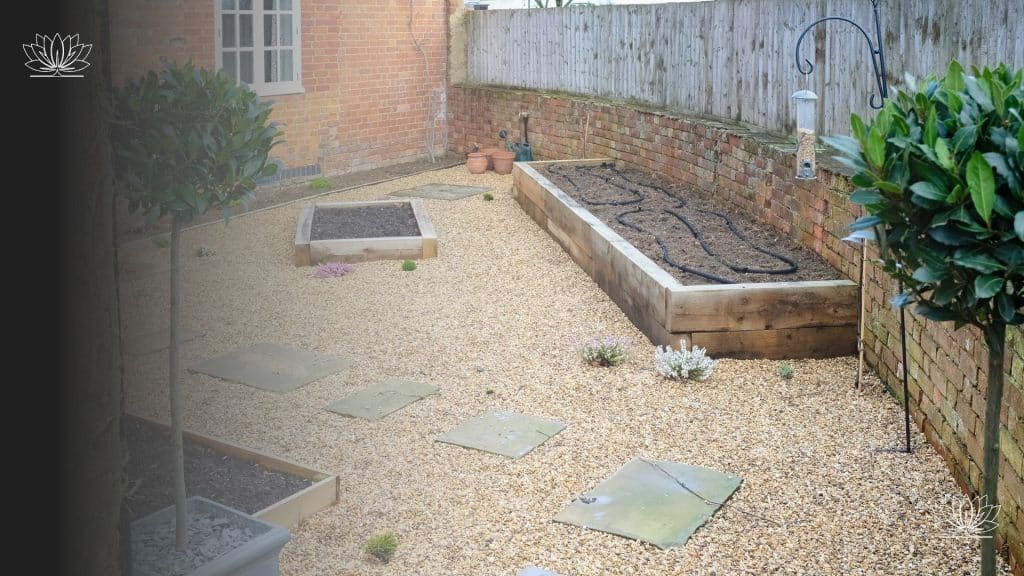
The most apparent challenge for homeowners with small gardens in urban settings is the limited space available. Unlike rural gardens, town gardens often have to deal with narrow dimensions, awkward layouts, and nearby structures that can obstruct light. Common issues faced by UK homeowners include:
- Privacy Concerns: With homes closely packed together, ensuring privacy becomes crucial. Many gardeners seek ways to create secluded areas.
- Sunlight Limitations: Tall buildings and trees can shade small gardens, making it difficult for plants to thrive. Understanding where sunlight hits your garden throughout the day is essential for selecting the right plants.
- Accessibility Issues: Small gardens can feel cramped, making it challenging to navigate and maintain. This can deter homeowners from fully enjoying their outdoor space.
These limitations can inspire creativity. Understanding the unique constraints of your small garden allows you to think outside the box and devise tailored solutions.
The Importance of Planning
When it comes to small garden design, careful planning is vital. A well-thought-out layout can significantly enhance the functionality and aesthetics of your outdoor space. Here are some key considerations for planning your town garden:
- Define Your Purpose: Decide on the primary function of your garden. Is it a space for relaxation, entertaining, or growing vegetables? Defining a purpose will guide your design decisions.
- Layout and Flow: Consider how you will move through the space. A good design should allow easy access to all areas of the garden. Think about pathways, seating arrangements, and plant placements that create a natural flow.
- Plant Selection: Choose plants that suit your garden’s specific conditions. Research which plants thrive in partial shade or are drought-resistant, as these will be essential in maximising your garden’s potential.
Investing time in planning can save you time and money in the long run, helping to avoid costly mistakes and ensuring that your garden reflects your needs and style.
Design Principles for Small Gardens
Creating a Focal Point
In any garden, a focal point draws the eye and creates interest. For small town gardens, it’s essential to select focal points that are proportionate to the space. Here are some ideas:
- Sculptures and Art Installations: A well-placed sculpture can serve as a striking focal point, adding personality to your garden.
- Water Features: Small ponds or fountains create a serene atmosphere and attract wildlife, making your garden feel more alive.
- Unique Plants: Consider using a standout plant, such as a flowering tree or vibrant shrub, as a focal point. The key is to ensure it complements your garden’s overall theme.
By carefully selecting and placing focal points, you can enhance the visual appeal of your small garden, making it feel more expansive and inviting.
The Use of Colour and Texture
Colour and texture significantly influence how we perceive space. In small gardens, the right colour scheme can create the illusion of a larger area.
- Light Colours for Openness: Opt for light colours such as whites and pastels to reflect light and create a sense of openness. For instance, white flowers or pale paving stones can help brighten up a small area.
- Texture for Depth: Mixing different textures—such as smooth stones, rough wood, and soft foliage—adds depth to your garden. This variety can make your garden feel more dynamic and lush.
Additionally, consider creating contrast with darker colours to define spaces and add visual interest.
Layering and Depth
Layering is a crucial technique in small garden design, as it adds dimension and visual interest. By using plants of varying heights, you can create a more immersive experience. Here’s how to effectively layer your planting:
- Tall Plants at the Back: Place taller plants or structures, such as trellises or tall pots, at the back of borders to create height.
- Medium-Height Plants: Use medium-sized plants in front of the taller ones to bridge the gap and create a natural transition.
- Low-Growing Plants: At the front of the border, plant low-growing varieties to provide a lush carpet effect.
Vertical gardening techniques, such as climbing plants on trellises or wall planters, can further enhance the layering effect, allowing you to utilise vertical space effectively.

Innovative Gardening Techniques for Small Spaces
Vertical Gardening Solutions
Vertical gardening is an inventive solution for maximising space in small gardens. By growing plants upwards rather than outwards, you can significantly increase your gardening area. Here are some popular vertical gardening structures:
- Wall Planters: These can be attached to fences or walls, allowing you to grow herbs, flowers, or even small vegetables in a compact format.
- Living Walls: These installations feature plants growing on a vertical surface, often using a system of pockets or panels to support plant growth.
- Hanging Pots: Suspend pots from hooks or brackets to create a floating garden effect. This is particularly effective for trailing plants like geraniums or strawberries.
Vertical gardening not only maximises space but also adds a striking visual element to your town garden.
Container Gardening
Container gardening is another versatile technique that allows for flexibility in design. Containers can be moved around, enabling you to experiment with arrangements and plant combinations. Here are some tips for successful container gardening:
- Choose the Right Containers: Select containers with good drainage made from materials that retain moisture, such as terracotta or fibreglass.
- Mix and Match Plants: Combine plants with varying heights, colours, and textures to create visually striking arrangements. For example, pair tall sunflowers with trailing ivy in a single container for dynamic interest.
- Seasonal Rotation: Change your container plants seasonally to keep your garden fresh and vibrant throughout the year.
Container gardening is perfect for small spaces, as it allows you to utilise every nook and cranny without overwhelming the area.
Multi-Functional Furniture and Features
In small gardens, every piece of furniture should serve a purpose. Multi-functional furniture can greatly enhance the usability of your space. Consider the following options:
- Benches with Storage: A bench that doubles as storage can provide seating while keeping gardening tools or cushions neatly tucked away.
- Foldable Tables and Chairs: Opt for furniture that can be easily stored when not in use, allowing for more flexible garden usage.
- Integrated Planters: Furniture that incorporates planters can add greenery while serving as seating or tables, effectively merging functionality with aesthetics.
By choosing multi-functional features, you can maximise your small garden’s usability without sacrificing style.

Plant Selection for Small Gardens
Choosing the Right Plants
The right plants can make all the difference in a small garden. When selecting plants for your town garden, consider the following aspects:
- Size Matters: Opt for dwarf varieties of larger plants, which can provide the same visual impact without overwhelming your space. For example, dwarf conifers or compact rose bushes are excellent choices.
- Perennials for Longevity: Incorporate perennial plants, which return year after year, reducing the need for replanting. They bring consistency and can form the backbone of your garden design.
- Focal Plants: Choose plants with striking features, such as bold flowers or unique foliage, to serve as visual highlights in your garden.
A thoughtful selection of plants tailored to your specific environment will ensure a thriving and visually appealing small garden.
Seasonal Considerations
To ensure your small garden remains vibrant throughout the year, consider incorporating plants that provide seasonal interest. Here’s how to approach seasonal planting:
- Spring Blooms: Plant early bloomers, such as crocuses and daffodils, to herald the arrival of spring and create an inviting atmosphere.
- Summer Colour: Include a mix of summer-flowering plants, such as geraniums and lavender, that provide fragrance and colour during the warmer months.
- Autumn Foliage: Embrace autumn with plants that showcase stunning foliage, such as Japanese maples or heucheras, ensuring your garden remains captivating as temperatures drop.
- Winter Interest: Incorporate evergreens and plants with interesting bark or structure, such as birch trees or holly, to maintain visual appeal throughout winter.
By choosing plants that offer interest in every season, you can ensure your town garden remains beautiful and dynamic year-round.
Creating Privacy and Shelter in Small Gardens
Using Plants for Privacy
Creating privacy in a small garden can be achieved through strategic planting. Here are some effective methods:
- Fast-Growing Hedges: Consider planting fast-growing varieties such as leylandii or privet, which can quickly create a natural screen and enhance privacy.
- Screening Plants: Use taller plants, such as bamboo or tall ornamental grasses, to create a sense of enclosure without blocking out all light.
- Layered Planting: Combine different heights of plants to create a layered effect that enhances privacy while adding visual interest.
By carefully selecting and positioning plants, you can create a secluded oasis in your small garden, enhancing your enjoyment of the space.
Incorporating Hardscaping Elements
Hardscaping elements can provide structure and privacy in small gardens, ensuring a well-defined space. Here are some ideas to consider:
- Fences: A good fence offers privacy while defining the boundaries of your garden. Consider wooden or trellis fences that can also support climbing plants.
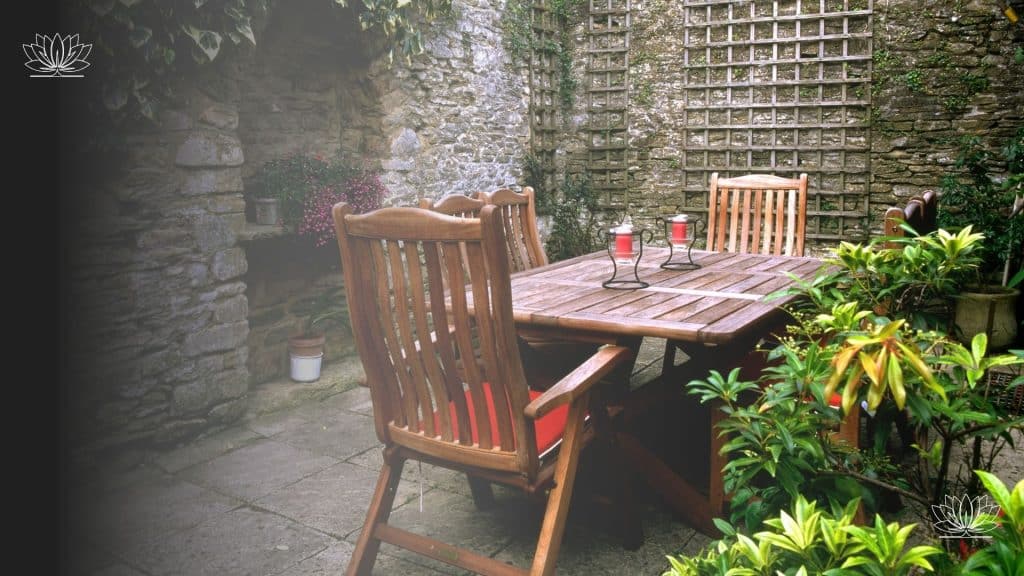
- Walls and Screens: Brick or stone walls can create a sense of enclosure and can be adorned with climbing plants to soften their appearance.
- Trellises: These structures can support climbing plants, adding height and creating privacy without blocking light.
Incorporating hardscaping elements will not only enhance your garden’s structure but also provide a backdrop for lush plantings.
Sustainability in Small Garden Design
Eco-Friendly Practices
Sustainability is an essential consideration for modern gardening, particularly in urban settings. Here are some eco-friendly practices to implement:
- Rainwater Harvesting: Collecting rainwater in barrels can provide an eco-friendly way to irrigate your garden while conserving resources.
- Composting: Create a small compost bin to recycle kitchen scraps and garden waste, enriching your soil and reducing waste.
- Native Plants: Incorporating native plants into your garden can support local wildlife and require less maintenance, as they are adapted to the local climate.
By embracing sustainable practices in your small garden, you can contribute to environmental conservation while enjoying a thriving garden.
Wildlife-Friendly Gardens
Even small gardens can support local wildlife, enhancing biodiversity in urban areas. Here’s how to create a wildlife-friendly environment:
- Native Plants: These plants provide food and habitat for local wildlife, including bees, butterflies, and birds. Consider plants like foxgloves or blackberries, which attract pollinators.
- Wildlife Habitats: Incorporate features such as birdhouses, insect hotels, or small ponds to create habitats for various species.
- Avoiding Pesticides: Opt for organic gardening methods to protect beneficial insects and promote a healthy ecosystem.
By designing your small garden with wildlife in mind, you can contribute to the local environment while enjoying the beauty of nature.
Conclusion
Designing a small town garden presents both challenges and opportunities. With careful planning, innovative techniques, and a thoughtful approach to plant selection, UK homeowners can transform even the tiniest outdoor spaces into beautiful and functional gardens. By embracing the principles of space optimisation, creating focal points, and incorporating eco-friendly practices, you can craft a garden that reflects your personality and enhances your lifestyle.
As you embark on your garden design journey, remember that small spaces can yield big rewards. Your town garden can become a sanctuary, a gathering place, or a vibrant showcase of nature. Start planning your small garden today and explore the endless possibilities that await!